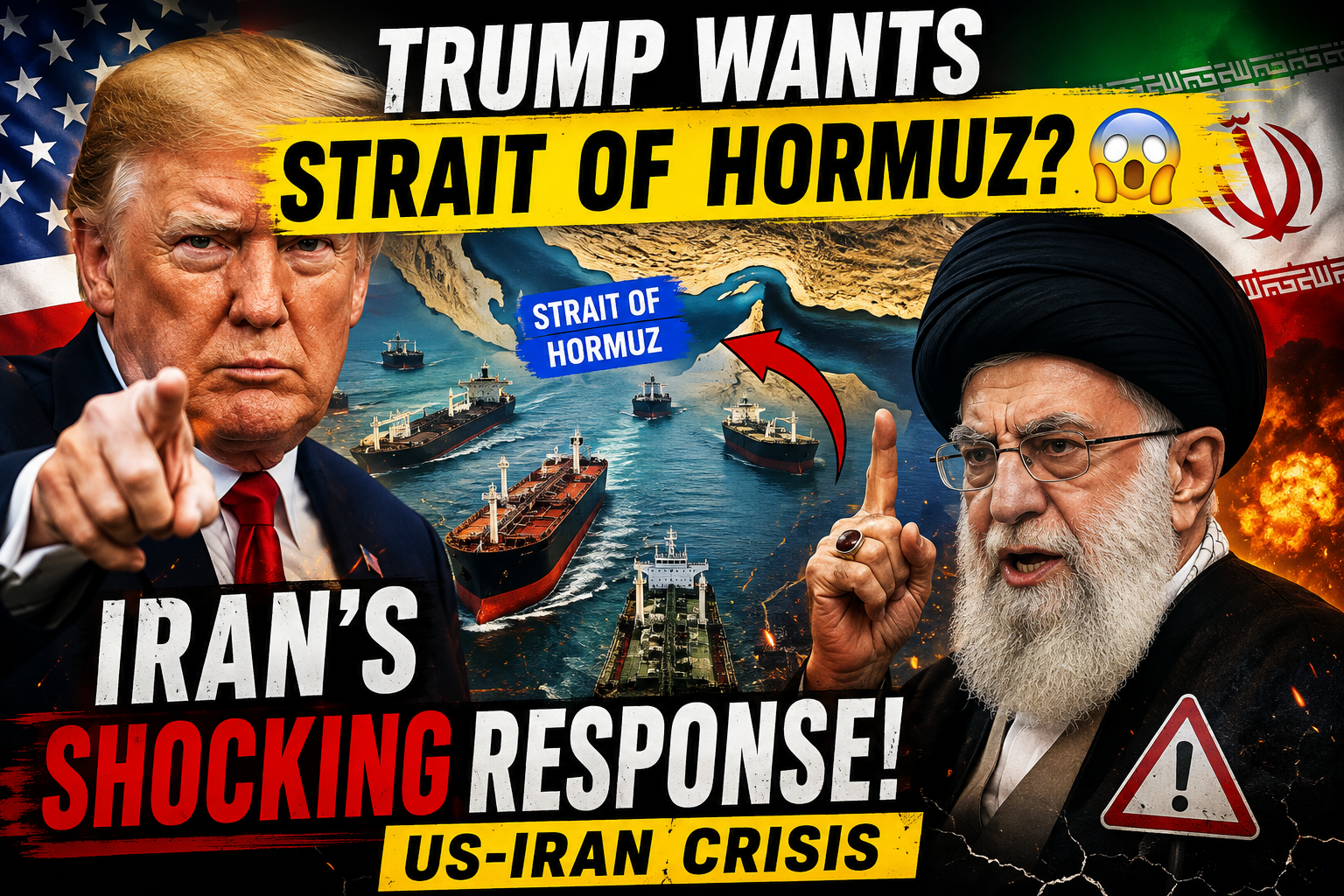
US–Iran Tensions Rise Over the Strait of Hormuz
Tensions between the United States and Iran have taken another turn after US President Donald Trump spoke about the future of the Strait of Hormuz. Trump indicated that the United States could seek to claim the strategically important waterway as US territory.
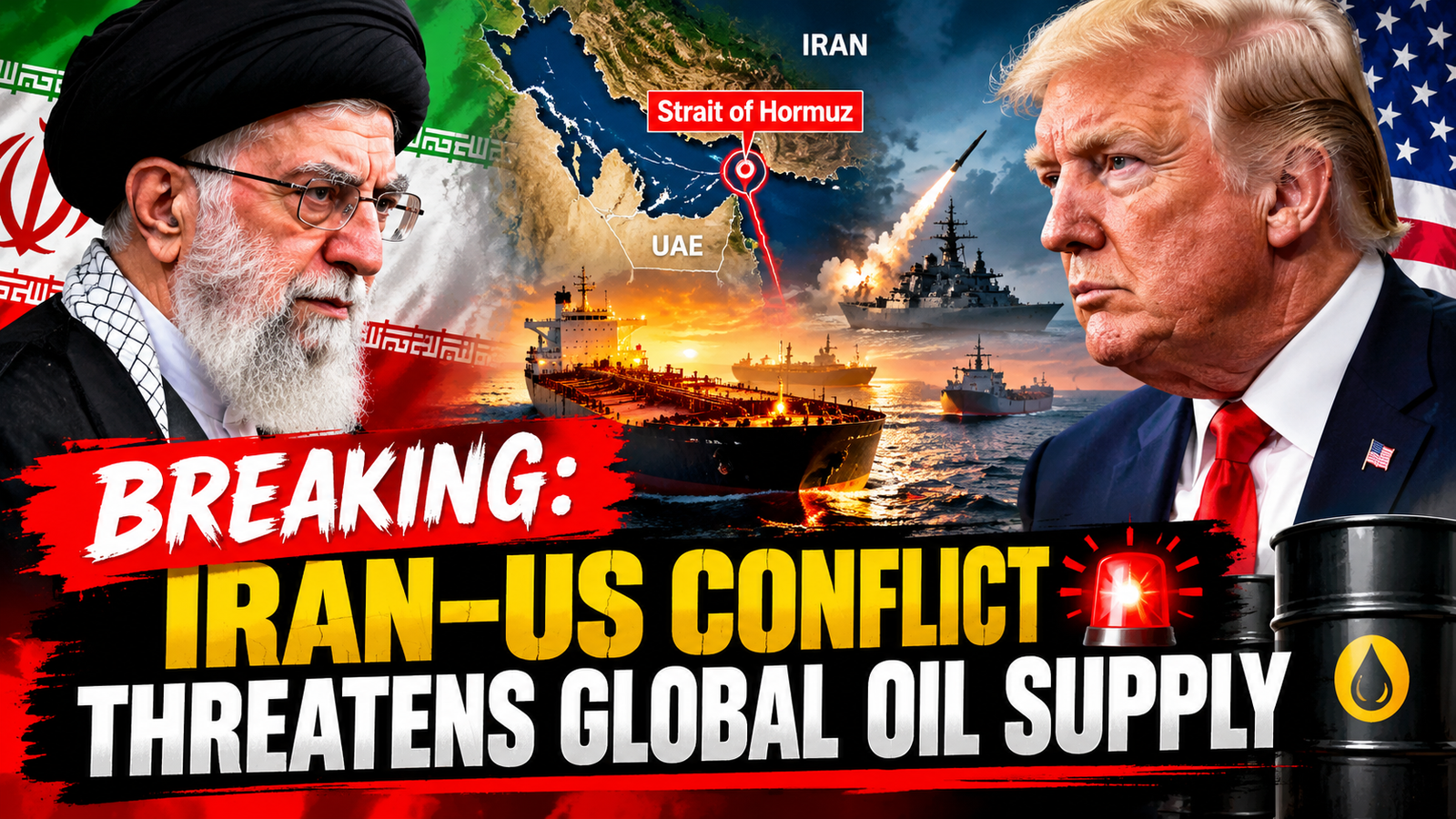
The statement has attracted international attention because the Strait of Hormuz is not an ordinary shipping route. It is one of the most important passages for energy supplies moving from the Middle East to other parts of the world. Large quantities of oil and gas normally pass through the area, meaning any serious disruption could quickly affect global markets.
Iran has rejected the US position and continues to maintain that it has authority over the strategic waterway. Tehran's response highlights how deep the disagreement between the two countries has become.
The issue is particularly important for countries that depend on imported oil and gas. If ships face prolonged delays or restrictions in the region, energy companies could face higher transportation costs and supplies could become more uncertain. That could eventually push fuel and energy prices higher in different parts of the world.
The latest development comes at a time when relations between Washington and Tehran are already extremely tense. Both sides have made strong statements, increasing concerns that another confrontation could develop around the strategically located waterway.
For international shipping companies, the situation creates additional uncertainty. Any major security incident around Hormuz could force vessels to change routes, increasing travel time and operating expenses.
The Strait also has major geopolitical importance. Because several countries rely on the route for energy shipments, developments there are closely watched by governments across Asia, Europe and the Middle East.
At the moment, the biggest question is what happens next. If tensions remain limited, shipping activity could gradually stabilize. But if the dispute turns into a wider confrontation, the consequences could extend far beyond the US and Iran.
For ordinary people, the issue may eventually be felt through higher fuel costs, transportation expenses and prices of goods. That is why the Strait of Hormuz has become one of the most closely watched locations in the current international crisis.
In short: the US and Iran remain sharply divided over the Strait of Hormuz, and any further escalation could have consequences for global shipping, energy supplies and prices.


Comments (0)
No comments yet. Be the first to comment!