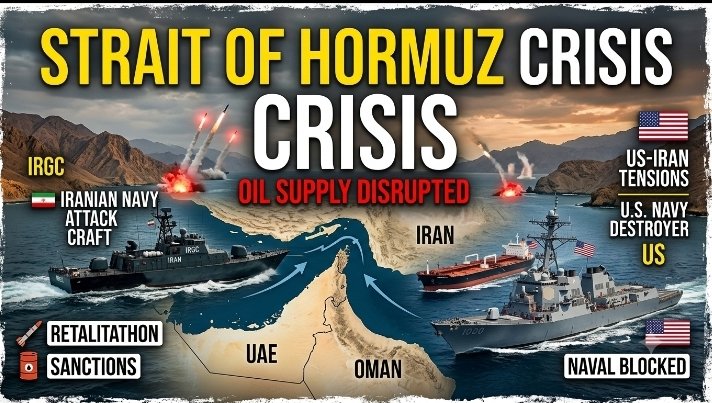
Iran–Hormuz Crisis: A Key Global Shipping Route Remains Under Pressure
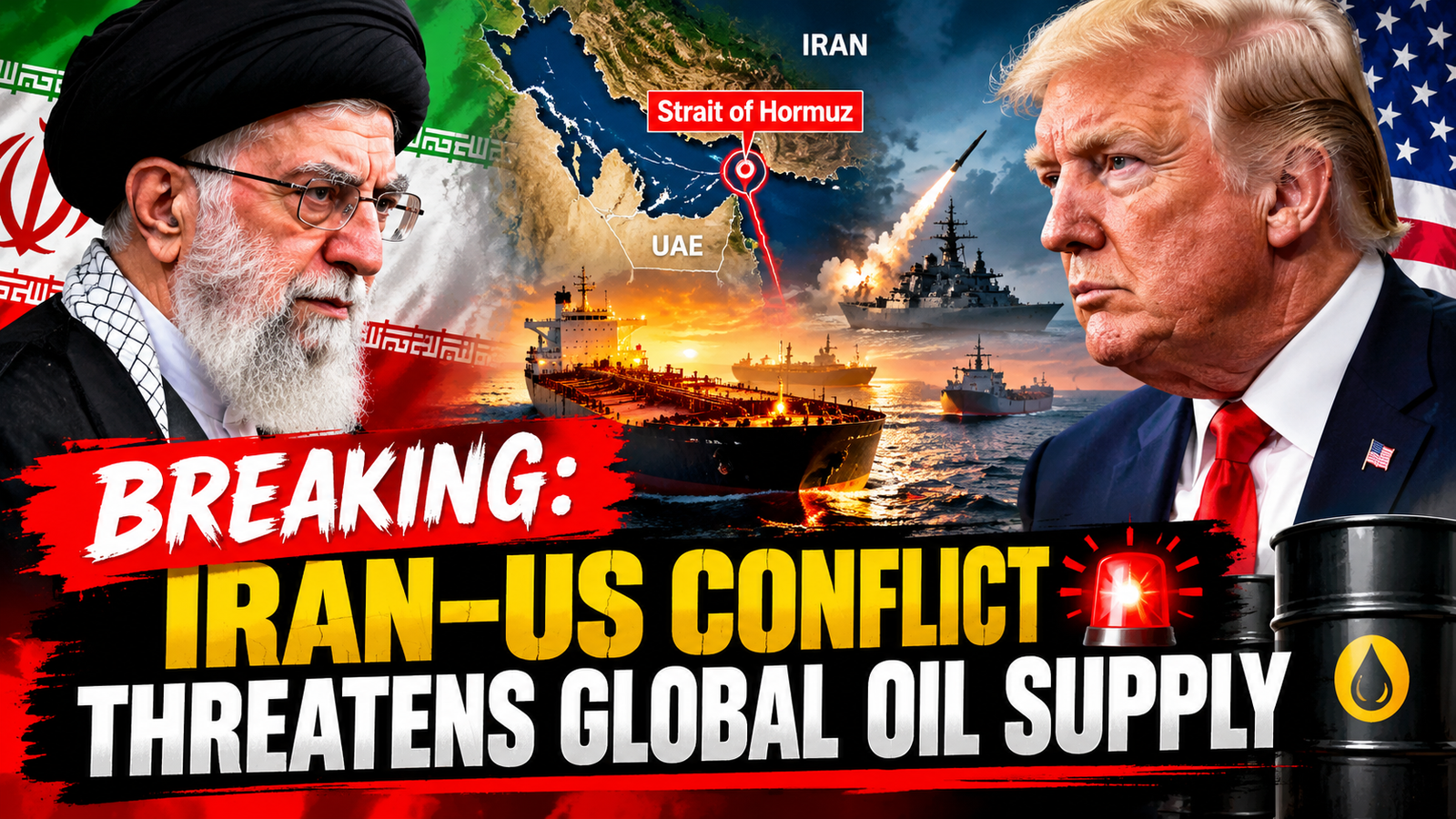
The Strait of Hormuz is once again at the center of international attention as tensions surrounding Iran continue to affect one of the world's most important shipping routes.
The narrow waterway connects the Persian Gulf with the Gulf of Oman and is a major route for energy shipments. Any prolonged disruption can create problems far beyond the Middle East, affecting oil supplies, shipping costs and prices around the world.
At the moment, commercial traffic through Hormuz remains much lower than normal. Recent tracking data showed only seven commodity vessels passing through the strait on Thursday, compared with a 10-day average of around 15.
Iran has been discussing conditions for restoring more normal navigation. Iranian officials say they are working with Oman on arrangements for a possible shipping corridor through Iranian and Omani waters. However, the details of a final agreement have not yet been completed.
The United States, meanwhile, continues to apply economic pressure on Tehran. Washington has announced additional sanctions while diplomatic efforts involving regional mediators continue.
The uncertainty around Hormuz is important for the global economy because the waterway normally carries a huge share of international energy shipments. Even when ships are able to pass, concerns about safety can make companies hesitate to send vessels through the area.
That uncertainty has already affected the energy market. Oil prices have remained sensitive to every major development involving Iran, the United States and the future of shipping through Hormuz.
There are also concerns for countries that depend heavily on imported fuel. If transportation becomes more expensive or supplies are delayed, the impact can eventually reach businesses and ordinary consumers.
However, there are signs that diplomacy could provide a way forward. Iran and Oman have been working on practical arrangements aimed at improving navigation, while other countries are watching closely for signs that the waterway can return to more stable operations.
For now, the situation remains uncertain.
The key question is whether negotiations can produce a workable agreement that allows commercial ships to move safely and regularly through the Strait of Hormuz.
If traffic returns closer to normal, pressure on global energy markets could ease. But if negotiations fail and tensions increase again, shipping and energy markets could face another period of uncertainty.
The Strait of Hormuz may be a small stretch of water on the map, but what happens there can have consequences for economies and consumers around the world.


Comments (0)
No comments yet. Be the first to comment!