Nepal Flash Flood Disaster: What Happened in the Himalayas?
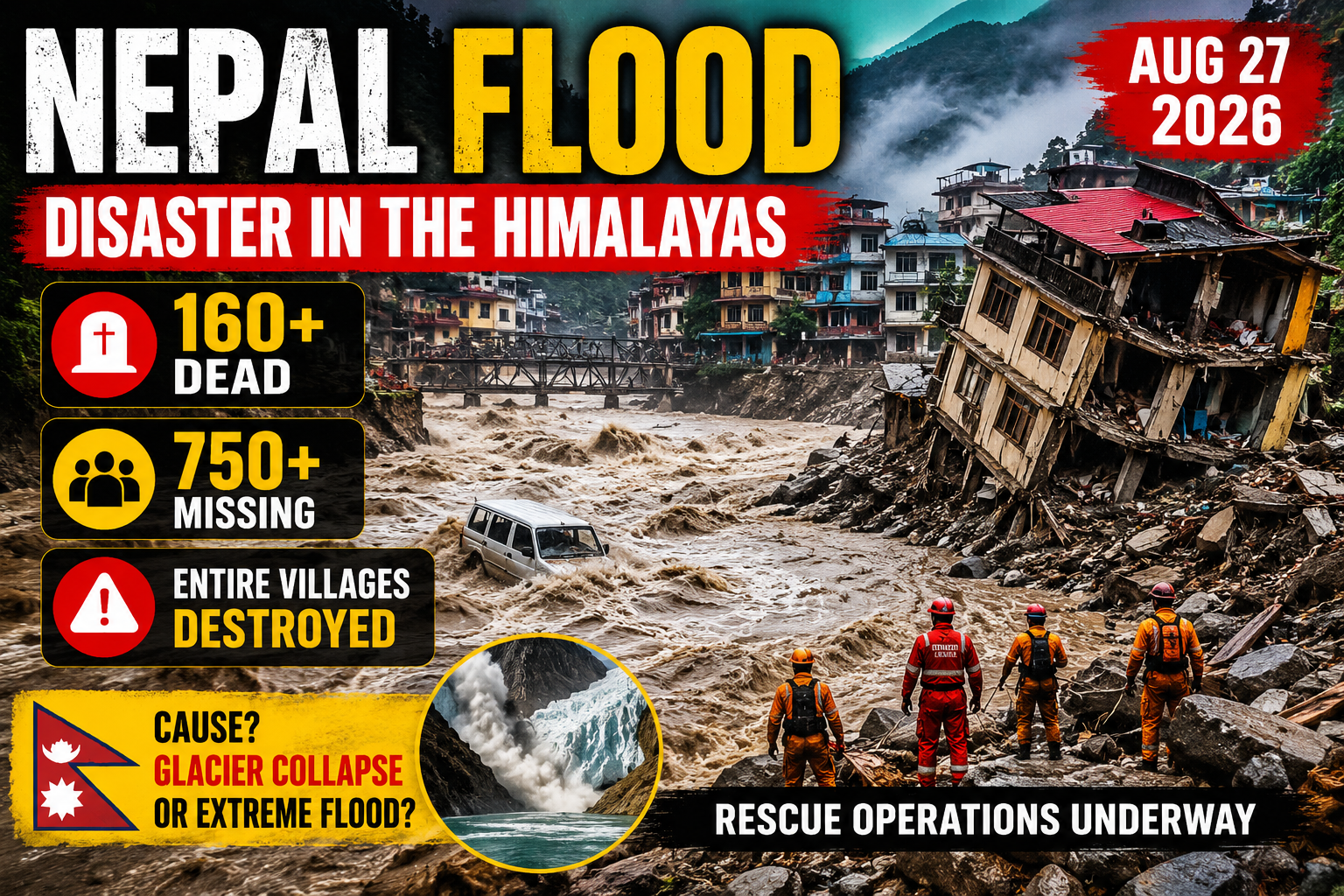
A devastating flash flood has struck the Himalayan region near the Nepal–China border, leaving communities destroyed and hundreds of people missing.
The disaster hit parts of Nepal’s Rasuwa district and the nearby Tibet region after a sudden surge of water and debris rushed through mountain valleys. Homes, roads, bridges and power infrastructure were badly damaged.
The latest reports say at least 160 people have died across Nepal and Tibet, while hundreds remain missing. Foreign tourists and workers are also among those unaccounted for.
What caused the flood?
Experts believe an ice-and-rock avalanche, possibly linked to a glacier collapse, released a huge amount of water and debris into the river system.
The powerful surge then moved downstream through rivers including the Bhote Koshi and Trishuli. Water levels rose extremely quickly, giving people very little time to escape.
Villages and infrastructure destroyed
The flood carried enormous amounts of mud, rocks and broken material through populated areas. Roads and bridges were swept away, making some communities extremely difficult to reach.
Electricity infrastructure was also damaged, adding another challenge for rescue teams.
The region is particularly important because it is used by tourists, trekkers and pilgrims travelling toward Himalayan destinations.
Rescue operation underway
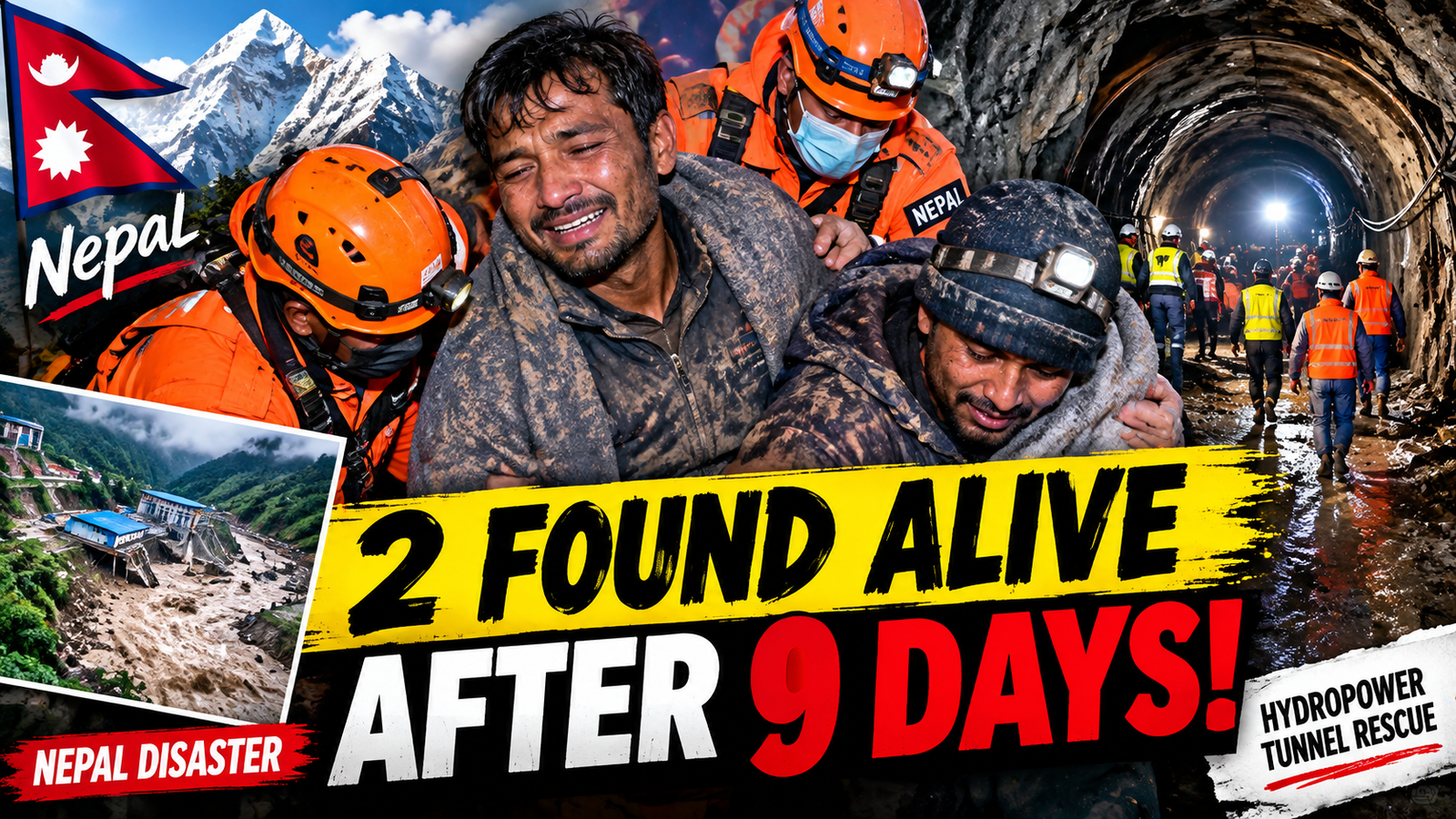
Nepal has deployed army personnel, helicopters and emergency teams to search for survivors and missing people.
However, the rescue operation has been difficult because damaged roads and bridges have blocked access to some areas. High water levels and the risk of additional landslides are creating further danger.
China is also carrying out rescue operations on the Tibetan side of the border. India and other countries have offered or coordinated assistance.
Why experts are concerned
Scientists say the disaster highlights the growing risks faced by communities living in the Himalayas.
Glaciers and snowfields are changing as temperatures rise, while extreme weather can make floods and landslides more dangerous. Experts say stronger monitoring and faster warning systems could help people escape before similar disasters strike.
For now, rescue teams are continuing their search while authorities work to understand the full scale of the destruction.
The Nepal flash flood has become one of the region’s most serious disasters this year, and the final death toll is expected to become clearer as rescue teams reach isolated areas.

Comments (0)
No comments yet. Be the first to comment!